

Stepping into the world of knives—whether for collecting, everyday carry (EDC), or field use—is an exciting journey. A well-chosen knife, such as the high-quality pocket knives available online today, is an indispensable tool. However, with that utility comes responsibility. A knife demands respect, and mastering safe knife handling techniques is the single most important lesson any new enthusiast must learn.
This foundational guide is designed to take you from the moment you unbox your new blade to safely using and maintaining it. We will cover the basic safety rules that form the bedrock of responsible ownership, proper techniques for operating folding knives, and the correct, safe way to pass a knife to another person. By practicing these simple steps, you ensure the longevity of your blade and, more importantly, the safety of yourself and those around you.
I. The Immutable Laws of Knife Safety
Before you attempt to use any knife, these fundamental safety rules must become second nature. There are no exceptions to these laws when practicing proper knife handling.
A. Always Cut Away From Your Body
This rule is paramount. When cutting or carving, always position your fingers, arms, legs, and torso out of the path of the blade. Should the knife slip, the momentum will carry it into the air or the object you are cutting, not into you. This applies whether you are stripping bark, opening a box, or slicing fruit.
B. The Sharpness Myth
A dull knife is actually more dangerous than a sharp one. A dull edge requires significantly more force to cut, increasing the likelihood of the blade slipping violently when pressure is applied. Conversely, a razor-sharp blade bites instantly, requiring only light pressure and allowing for precise, controlled movements. Regularly sharpen and maintain your blades, ensuring they are always in optimal working condition.
C. Secure Your Blade When Not in Use
Never leave a knife lying around unsecured or unattended. Folding knives should always be closed and clipped safely in a pocket or stored in a secure location. Fixed blades must be firmly seated in a sheath. This is particularly important for sleek designs, such as flat black pocket knives, which can easily disappear against dark clothing or surfaces. A secure, sheathed, or folded blade is a safe blade.
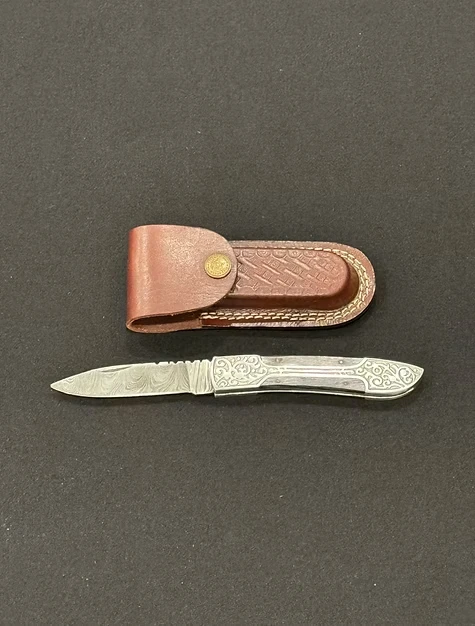
II. Mastering the Folder: Opening and Closing Techniques
Folding knives, or folders, are the most common style for EDC, prized for their portability. Operating them correctly requires smooth, deliberate motions and familiarity with the locking mechanism.
A. One-Handed Opening (The Safe Way)
Modern folders are designed for quick, one-handed deployment using thumb studs, flipper tabs, or holes in the blade.
- Firm Grip:Hold the handle securely in your dominant hand, ensuring your fingers are never in the path of the blade pivot or edge.
- Deliberate Motion:For flipper tabs, apply firm, downward pressure to the tab and quickly snap your wrist to accelerate the blade. For thumb studs, push directly outward until the blade locks open. The goal is to deploy the blade fully and engage the lock immediately. Never use a dull, slow motion that might only partially open the blade.
B. Secure Closing (Lock Disengagement)
The most common source of injury with a folding knife occurs during the closing process. Before you close any of the pocket knives you own, understand their lock type (Liner lock, Frame lock, Axis lock, etc.).
- Clear the Path:Always ensure the fingers of the non-dominant hand are completely clear of the closing path of the blade.
- Slow and Controlled:Disengage the lock using your thumb (or pointer finger) and gently guide the blade back toward the handle. Use a controlled, slow motion. If your knife features a strong detent (the mechanism that holds the blade closed), you can safely close it most of the way and then use a finger to push it the final distance into the handle, keeping your fingers off the edge. This safe knife-handling technique prevents the blade from slamming shut on your fingers.
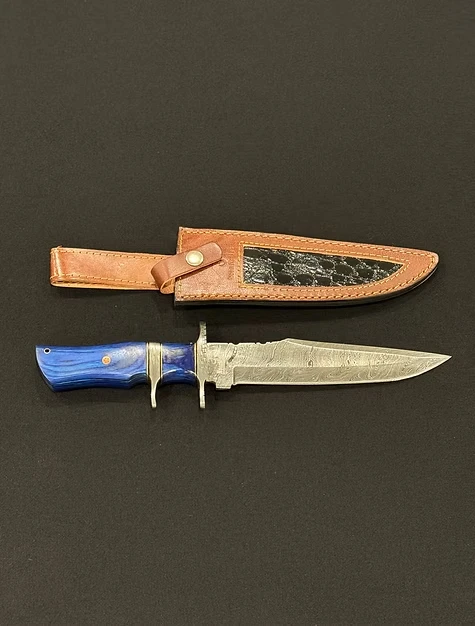
III. The Etiquette of Sharing: Passing a Knife Safely
Inevitably, you will need to pass your knife to a friend or colleague in the field. This action, often done quickly and carelessly, is a leading cause of accidental cuts.
A. The Safe Pass Method
- Preparation:Close the knife safely if it is a folder. If it is a fixed blade, hold the blade by its spine or place it back in its sheath and hand over the sheathed knife.
- Presentation (Open Fixed Blade):If you absolutely must pass an open fixed blade (e.g., during a delicate carving task), hold the knife firmly by the blade’s spine (the dull side) and offer the handle to the recipient. The recipient should grasp the handle firmly before you release the knife.
- Verbal Cue:Always announce that you are passing the sharp object. A simple “Sharp!” or “Handle toward you” provides a critical verbal cue that focuses the recipient’s attention.
Practicing this deliberate, safe knife-handling technique ensures the recipient is never handed a sharp edge. This etiquette is particularly crucial when dealing with high-quality, razor-sharp blades, such as tactical flat black pocket knives and other premium models found at quality retailers.
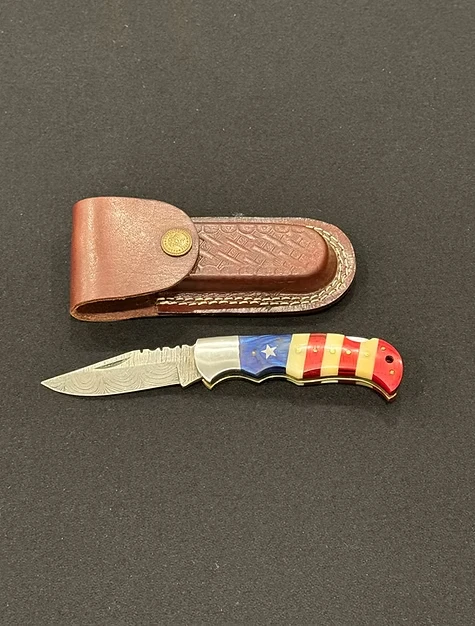
Proficiency Through Practice
Safe knife-handling is not a matter of luck; it is a discipline learned through repetition and respect for your tool. Whether you are adding a new piece to your collection or relying on it daily, understanding the nuances of your blade’s locking mechanism and maintaining a sharp edge are key to a lifetime of safe, reliable use. The wide array of reliable pocket knives online offers a perfect starting point, but the safety rests entirely in your hands.
Ready to upgrade your everyday carry? At Gun Decor Emporium, we carry a curated selection of premium folding and fixed blades, ranging from rugged field knives to sophisticated flat black pocket knives. View our collection today or contact us to find the quality tool you need, and practice these essential knife handling tips!