

Every time you take your pocket knife out into the field, it faces environmental factors that can degrade its performance. Whether you are cutting through rope, preparing food at a campsite, or working in muddy conditions, debris finds its way into the moving parts of the tool. If you want to keep your pocket knives online purchases in top condition, you must establish a fast and effective cleaning habit. This routine ensures that the blade remains sharp and the opening mechanism stays smooth for your next use.
A neglected knife can develop rust, even if the steel is high-quality stainless. Dirt trapped in the pivot area creates friction, which can wear down the washers and make the knife difficult to open with one hand. By spending just five minutes after your trip to address these issues, you prevent long-term damage and keep the tool safe to operate.
Step 1: Clearing Surface Debris and Residue
The first thing you should do after any outdoor activity is remove the visible dirt and organic matter from the blade and the handle. You can use a soft-bristled brush or a dry cloth to wipe away loose sand, blood, or plant sap that has stuck to the metal. It is important to do this while the residue is still fresh before it has a chance to harden or react chemically with the steel.
If you have used the knife to cut through anything acidic, such as citrus or meat, a dry cloth will not be enough to stop the oxidation process. You should use a small amount of warm water and mild dish soap to neutralize the acids and break down the grime. Be sure to avoid using abrasive pads that could scratch the finish or the custom engraving on the blade, as these scratches can hold moisture and eventually lead to rust spots.
Step 2: Cleaning the Guard and Handle Junction
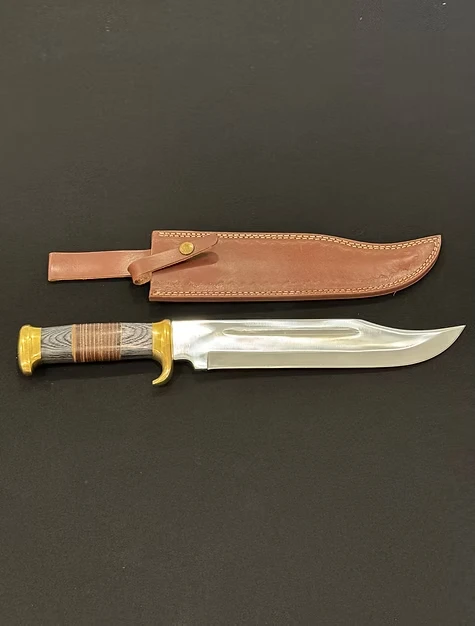
Fixed blades like Bowies have a specific area where the blade meets the guard and the handle, which often collects moisture and dirt. You can use a cotton swab or a toothpick to reach into these tight crevices and pull out any trapped debris. If your knife has a stacked leather or wood handle, you must be careful not to soak these materials in water, as they can swell or crack.
Instead of immersion, use a damp cloth to wipe the handle scales and then immediately follow up with a dry one. For knives with ornate brass or nickel guards, this is also the time to remove any fingerprints or oils from your skin. The salts in your sweat are highly corrosive to polished metal surfaces and can leave permanent dark marks if they are not wiped away after every use.
Step 3: Thorough Drying to Prevent Oxidation
Moisture is the primary enemy of a large blade, and even a small amount of water left on the steel can cause the edge to dull through microscopic rusting. After you have washed the knife, you must ensure it is completely dry before you place it back in its sheath. You should use a clean, lint-free cloth to dry the blade, the spine, and the underside of the guard.
For the areas where the tang enters the handle, you can use a hairdryer on a cool setting to force out any hidden droplets. You can also leave the knife out on a counter for a few minutes to let any remaining humidity evaporate naturally. Never put a damp knife back into a leather sheath, as leather naturally absorbs and holds moisture against the steel, which can ruin a finish overnight.
Step 4: Applying a Protective Oil Barrier
Once the knife is clean and dry, you need to apply a thin layer of protection to seal the metal away from the air. You only need a few drops of a food-safe mineral oil or a dedicated knife wax applied to a soft cloth and wiped over the entire blade. It is better to use a light, even coat than to leave the knife dripping with oil, which will only attract dust and debris.
Wipe the oil across the flats of the blade and along the sharpened edge to ensure total coverage. This creates a microscopic barrier that prevents oxygen from reaching the steel, effectively stopping the rust process before it starts. If your Bowie has a wooden handle, you can also apply a small amount of linseed oil or wax to the wood to keep it from drying out and shrinking over time.
Step 5: Final Blade Inspection and Edge Touch-Up
The final step of your routine is to check the edge of the blade for any dull spots or small nicks that occurred during your heavy work. Run your thumb very carefully across the flat of the blade to feel for any burrs or irregularities in the steel. If the knife has lost its “bite,” a few passes on a honing steel or a fine-grit stone can restore the edge without the need for a full sharpening session.
Maintaining a sharp edge is a safety issue because a dull Bowie requires more force to use, which increases the chance of a dangerous slip. If your knife features a pommel or screws in the handle, check to make sure nothing has vibrated loose during use. This ensures the entire tool remains a solid, dependable piece of equipment that is ready for your next outdoor challenge.
Long-Term Storage Solutions
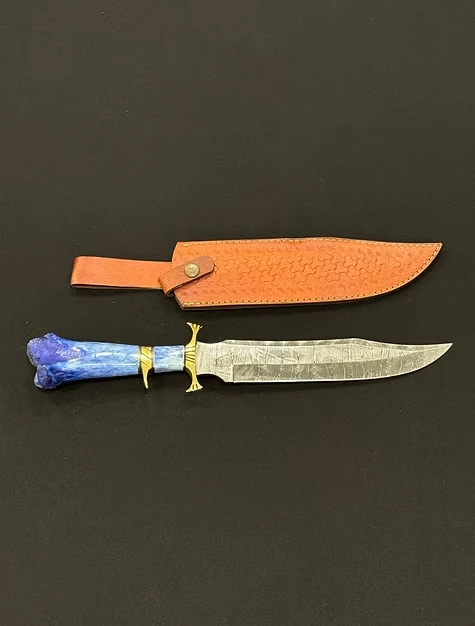
If you do not plan on using your knife for several weeks, you should consider where you keep it to avoid environmental damage. Storing a knife in a humid basement or a damp vehicle glove box is a recipe for rust spots. Instead, place your clean and oiled knife in a dry drawer or a padded storage case that allows for some airflow.
For those with larger collections, using a dedicated display case with a felt lining can help keep the knives organized and protected from scratches. This also allows you to see your collection clearly, making it easier to select the right tool for your next outing. Consistency in your storage habits is just as important as the cleaning routine itself for preserving the value of your tools.
Professional Maintenance and Custom Touches
Sometimes a knife requires more than just a quick cleaning, especially if it has been exposed to salt water or heavy chemicals. In these cases, a professional disassembly and deep clean may be necessary to remove deep-seated corrosion. This is also a good time to consider if you want to update the look of your tool with new hardware or handle scales.
Personalizing your gear makes it easier to identify and adds a sense of pride to your daily carry. Many people choose to have their blades engraved with their initials or a significant date to mark the knife as a permanent part of their kit. This level of care ensures that the tool remains a functional and attractive asset for years to come.
Maintaining Your Essential Tools
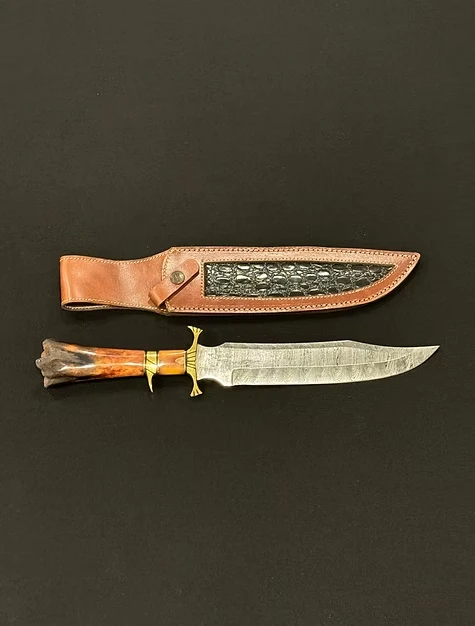
Taking care of your equipment is a sign of a responsible owner and ensures that your gear never fails when you need it most. A consistent routine keeps your blades sharp and your folding mechanisms working as if they were brand new. Whether you are maintaining a simple utility tool or a custom Damascus knife, the steps remain the same: clean, dry, and lubricate. If you are interested in expanding your set, you can find a wide variety of pocket knives online or even high-end bowie knives online to suit your specific needs. Visit Gun Decor Emporium to see their full selection of knives and accessories that reflect a commitment to quality and tradition.
Contact us to find out more.