
For some, a firearm is a tool for the range; for others, it is a mechanical time capsule. Collecting vintage firearms is a pursuit that blends the precision of an engineer with the passion of a historian. However, if you have ever stepped into a crowded auction or spent hours scrolling through gun collections online, you know that the market can be a minefield of “bubba’d” stocks and mismatched parts.
To build a collection that appreciates in value, you need more than just a checkbook—you need a “Collector’s Compass.” This guide is designed to help you navigate the nuances of provenance, markings, and condition, ensuring that your next acquisition is a true investment rather than just another piece of steel in the safe.
I. Decoding the Steel: The Language of Markings
The most valuable information about a firearm isn’t found in a catalog; it is stamped directly into the metal. To the untrained eye, these are just numbers and symbols, but to the savvy collector, they are the “runes” of the industry.
Proof Marks and Inspector Stamps
Every major manufacturing nation has its own system of proof marks. A “Crown over N” on a German pistol or a “Broad Arrow” on a British Enfield tells you immediately where and when the gun was tested for service. Perhaps more important are the inspector stamps (often called cartouches on wood stocks). These tiny initials—like the famous “JKC” or “WGP” on American military arms—verify that the weapon was accepted by a specific government inspector. If a firearm is missing these marks when it should have them, it’s a red flag that parts may have been replaced or the metal has been aggressively polished.
Serial Number Ranges
Not all guns in a production run are created equal. Often, the “first 500” or the “last 100” of a specific model command a massive premium. Early production models frequently feature subtle design elements that were later simplified for mass production. When you find a rare variant among vintage firearms, the serial number is your primary tool for verification.
II. The Allure of Provenance: Finding the Story
In the world of high-end collecting, a gun is worth its weight in steel, but its story is worth its weight in gold. Provenance is the documented history of ownership. A standard Colt Single Action Army is a fine piece, but a Colt Single Action Army with a factory letter proving it was shipped to a lawman in El Paso in 1885 is a museum-grade treasure.
When browsing gun collections online, always look for accompanying documentation. This can include:
- Factory Letters:Official documents from the manufacturer confirming the original configuration and shipping destination.
- Capture Papers:Documents from military veterans detailing how a trophy was brought home from a conflict.
- Original Packaging:Believe it or not, an original cardboard box and manual can sometimes add 20% to 50% to the value of a 20th-century firearm.
III. Condition vs. Originality: The Golden Rule
The single biggest mistake a new collector can make is “cleaning” a gun into worthlessness. In the world of vintage firearms, originality is king.
The 90% Rule
A firearm with 90% of its original factory bluing is almost always more valuable than a firearm that has been 100% re-blued. Collectors value “patina”—the natural aging process of the metal. Once you strip away that original finish, you have permanently erased a portion of its history.
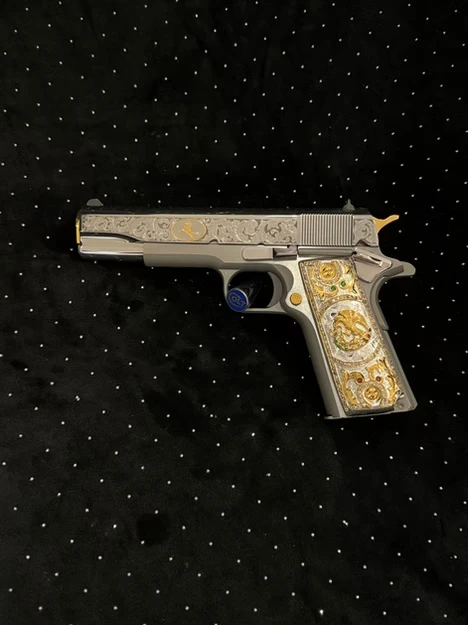
However, there is a distinct difference between restoration and luxury weapon customization. If a firearm is a “common” model with no historical significance but has suffered from neglect, professional luxury weapon customization can give it a second life as a high-end heirloom. The key is knowing which pieces are “untouchable” historical artifacts and which are “canvases” waiting for a master’s touch.
IV. Navigating the Digital Market
The internet has revolutionized the hobby, making it possible to view thousands of gun collections online from the comfort of your home. However, this accessibility requires increased due diligence.
The “Parts Gun” Trap
Be wary of “Franken-guns”—firearms assembled from various leftover parts to look like a rare variant. Use high-resolution photos to check that the wear patterns on the slide match the wear patterns on the frame. If the frame is battered but the barrel looks brand new, something has been swapped.
Research Before You Reach
Before clicking “buy,” consult the “blue books” and specialized collector forums. Knowledge is your greatest defense against overpaying. A true collector spends ten hours researching for every one hour spent buying.
V. When to Pursue Customization
While the “purist” path focuses on preservation, the “connoisseur” path often leads to luxury weapon customization. This is particularly relevant for firearms that are high-quality shooters but lack specific “rarity.”
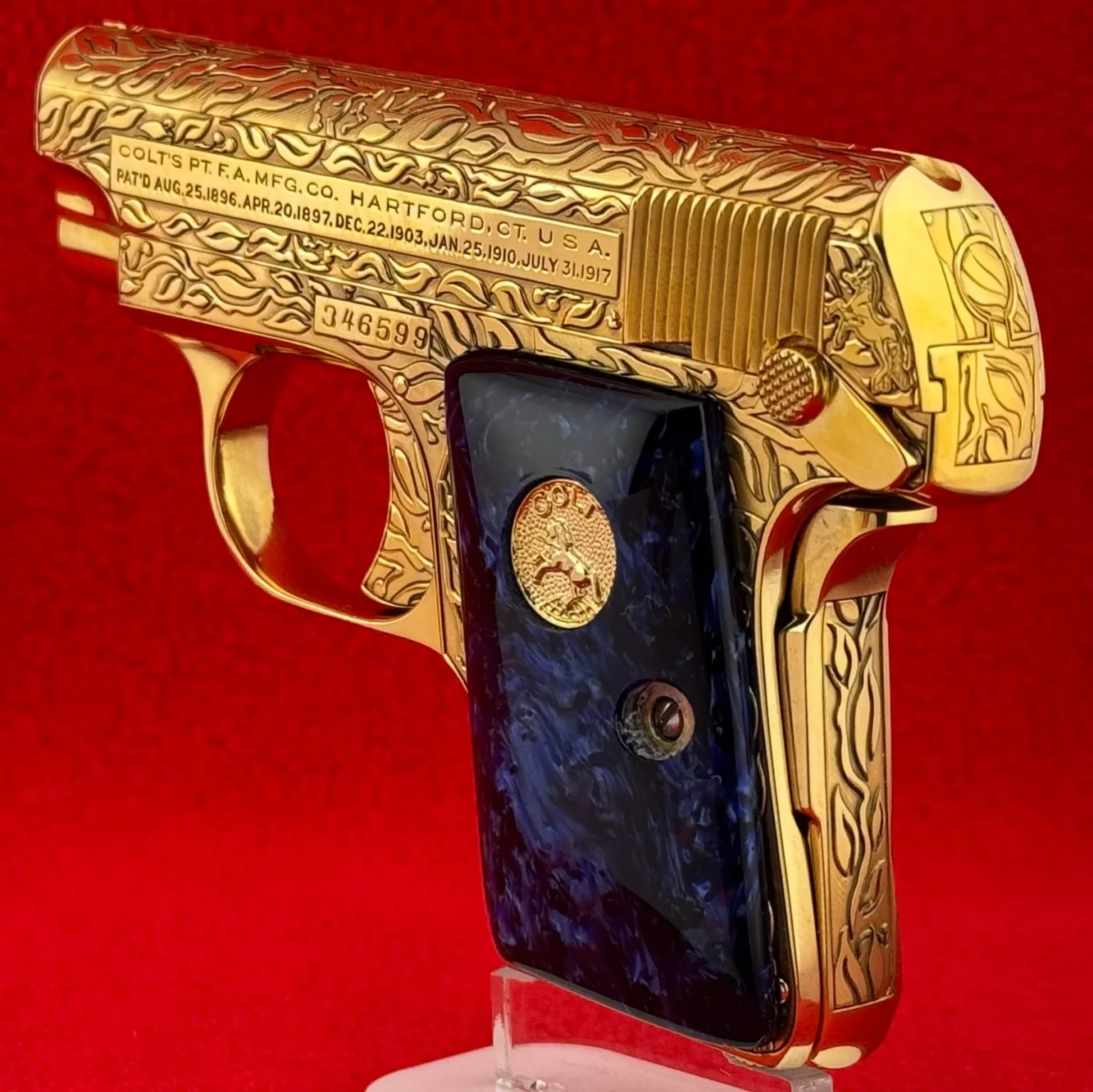
By commissioning professional engraving, 24K gold plating, or exotic handle fitting, you are creating a modern rarity. This type of luxury weapon customization ensures that even a modern or common firearm can become a centerpiece of a collection, appreciating in value due to the sheer artistry and labor involved in its transformation.
The Long View
Collecting firearms is a marathon. The most successful collectors are those who buy the best example they can afford, rather than five mediocre examples. By using your “Collector’s Compass” to identify rare markings, verify provenance, and respect the balance between originality and artistic enhancement, you are doing more than just buying guns—you are curating a legacy.
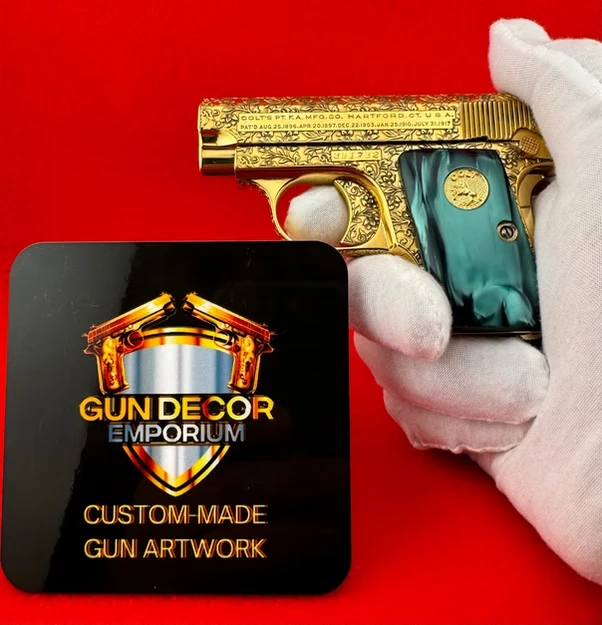
Ready to elevate your collection from a simple rack to a sophisticated gallery? At Gun Decor Emporium, we understand the heart of the collector. Whether you are looking for an exhibition-grade display case to protect your latest find or you want to transform a reliable sidearm through luxury weapon customization, we are here to help. Visit us today to explore our bespoke services and find the perfect finishing touches for your most prized acquisitions!