
When most people think of Western culture, images of wide-brimmed hats, rugged boots, and worn leather saddles often come to mind. Yet there’s another accessory that quietly but powerfully carries the spirit of the West: cowboy buckles. To some, they are simply practical clasps for keeping trousers in place, but to those who know their history, cowboy buckles are works of art, markers of identity, and storytelling tools all at once.
These gleaming emblems at the center of a belt embody more than utility. They speak of pride, tradition, and individuality. They are heirlooms handed down across generations, symbols of victory in rodeo arenas, or tokens of appreciation crafted by master silversmiths. To understand cowboy buckles is to understand a piece of Western culture itself: rich, layered, and full of personality.
The Origins of Cowboy Buckles
Cowboy buckles didn’t arrive fully formed. Their story begins in the 19th century when American cowboys, influenced by both Mexican vaqueros and European traditions, sought practical yet decorative ways to secure their belts. Early versions were plain brass or iron buckles, simple and strong enough for work in the field.
But as rodeo competitions gained popularity in the late 1800s, buckles began to evolve. Winning a rodeo event often came with a prize buckle, turning these once utilitarian objects into symbols of achievement and pride. This tradition elevated the buckle from necessity to trophy, and by the early 20th century, silversmiths were creating elaborate designs for rodeo champions.
Soon, cowboy buckles became a staple not only of Western attire but also of Western identity. Wearing one was no longer just about holding up your pants; it was about belonging to a culture.
Design Elements That Define Cowboy Buckles
Cowboy buckles are rarely understated. Their designs incorporate a mix of artistry, symbolism, and craftsmanship that transform them into small canvases of personal expression.
Key elements include:
- Shape and Size: Most cowboy buckles are large and rectangular or oval, providing plenty of space for design work.
- Material: Traditional buckles were crafted from silver, brass, or bronze. Today, they may include gold plating, turquoise inlays, or even semi-precious stones.
- Engravings: Scrollwork, floral patterns, rope borders, and Western motifs (like horseshoes or stars) are common.
- Icons and Imagery: Buckles often feature imagery tied to Western life: longhorn cattle, eagles, boots, or lariats.
- Lettering: Many are personalized with initials, names, or even entire slogans etched or raised on the surface.
Each detail contributes to the buckle’s individuality, making it much more than a mass-produced accessory. For cowboys and collectors alike, these buckles are wearable works of art.
Cowboy Buckles as Storytellers
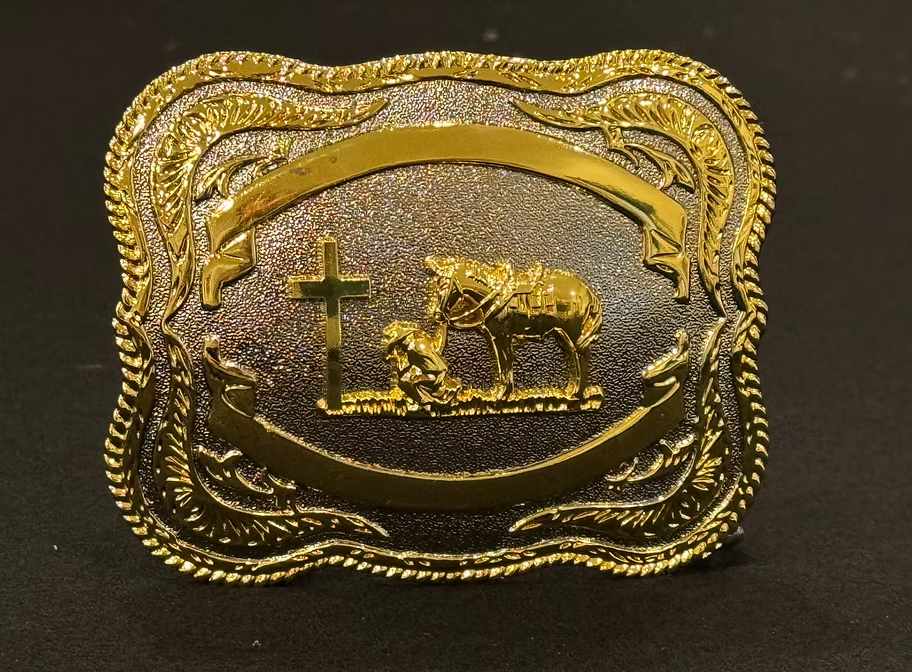
Every cowboy buckle has a story to tell. Some represent a hard-earned rodeo victory, where the gleam of the metal captures the sweat, grit, and triumph of the arena. Others may be gifts, presented during milestones like graduations, weddings, or anniversaries, carrying emotional value far beyond their material worth.
Buckles can also preserve family heritage. A grandfather’s buckle passed down to a grandson isn’t just an object, but a tangible link to history and identity. Similarly, personalized buckles engraved with names or symbols carry the story of the wearer’s individuality.
Even decorative buckles, designed purely for style, tell a story: about the wearer’s taste, about their connection to the Western aesthetic, about the traditions they choose to honor in their daily lives.
Recommended: Cowboy in Prayer
Buckles in Rodeo Culture
Perhaps the most iconic role of cowboy buckles is in the rodeo world. In professional rodeo competitions, buckles are awarded as trophies in the same way other sports might give medals or rings. These prize buckles are highly coveted, often more valued by riders than the prize money itself.
To win a buckle is to prove oneself in a demanding sport where skill, courage, and grit define success. Each engraved detail represents not just a victory but the culture of rodeo itself. Many rodeo champions collect dozens of buckles throughout their careers, each a chapter in their personal story.
For spectators and fans, rodeo buckles symbolize authenticity. When someone wears one, it’s not just jewelry; it’s a badge of honor.
The Evolution of Cowboy Buckles in Modern Style
While cowboy buckles remain deeply tied to rodeo and ranch culture, they’ve also found their place in broader fashion. Musicians, actors, and influencers have adopted cowboy buckles as bold accessories, bringing Western flair to city streets and concert stages alike.
Designers experiment with mixing traditional Western motifs with contemporary aesthetics, producing buckles that feel both classic and fresh. Oversized silver buckles with intricate scrollwork might appear in high-end fashion collections, while minimal buckles inspired by cowboy designs are worn casually with jeans and boots.
The versatility of cowboy buckles is what makes them timeless. They can symbolize heritage for some, style for others, and artistry for all.
Cowboy Buckles as Collectibles
For many enthusiasts, cowboy buckles are more than fashion; they are collectibles. Vintage rodeo buckles, especially those awarded at major events, can command high prices on the market. Custom-made buckles by renowned silversmiths are also highly sought after, prized for their craftsmanship and rarity.
Collectors often display their buckles in cases, treating them as treasures worthy of admiration. Some even curate entire collections around themes, such as buckles from specific decades, competitions, or makers. Like coins or stamps, cowboy buckles are tangible artifacts of culture, each piece reflecting the spirit of its time.
Materials and Craftsmanship: The Making of a Buckle
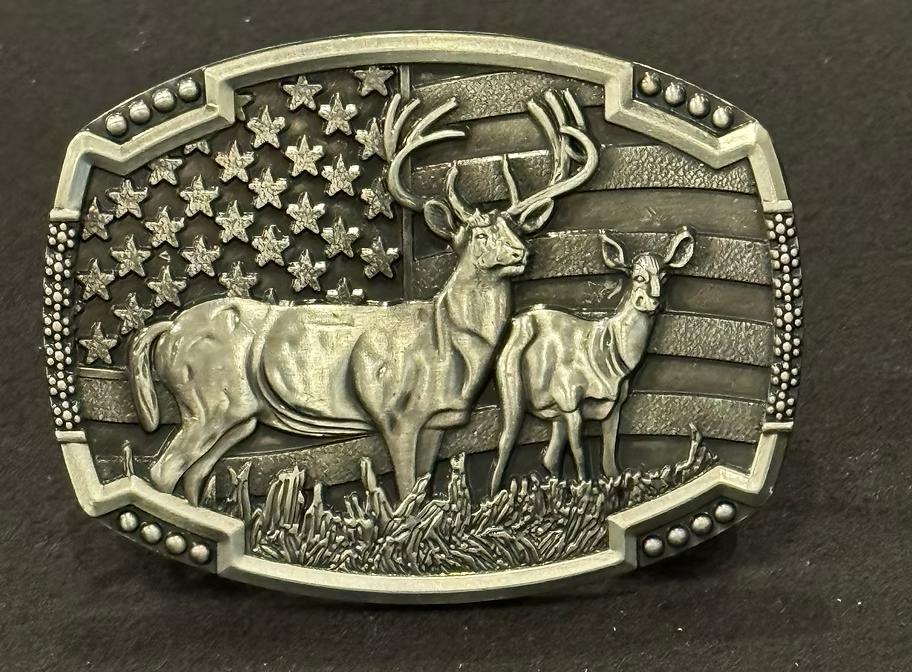
Creating a cowboy buckle is no small feat. Silversmiths and artisans employ a combination of traditional techniques and modern tools to achieve their designs.
The process may include:
- Casting or Stamping: The base shape of the buckle is formed.
- Engraving: Skilled hands carve intricate designs, often floral or scroll motifs.
- Inlaying: Stones like turquoise, onyx, or mother-of-pearl are added.
- Plating: Gold or silver plating enhances shine and durability.
- Polishing: The final step, giving the buckle its gleaming finish.
This craftsmanship ensures each buckle is not just functional but also durable and beautiful. Some buckles are mass-produced, but the most admired ones are hand-crafted, bearing the unmistakable mark of artistry.
Why Cowboy Buckles Still Matter
In a world where fashion is often fleeting, cowboy buckles endure because they are more than accessories. They embody values: heritage, individuality, craftsmanship, pride. They hold memories and achievements, becoming symbols that outlast trends.
Whether worn by a rodeo champion, a ranch worker, a collector, or someone who simply admires Western style, cowboy buckles connect the present to the past. They remind us of a time when function and beauty worked hand in hand, when every object told a story worth remembering.
Carrying Western Stories With Us
At Gun Décor Emporium, we believe cowboy buckles are storytellers, heirlooms, and works of art. That is why we offer a wide selection of buckles that celebrate Western tradition while allowing you to showcase your own individuality. Whether you’re search for a rose electroplated belt buckle or a 24k gold cowboy belt buckle, our collection is crafted to honor both heritage and personal style.
Explore our cowboy buckles today and let your story shine through every detail.