

Few knives in history have captured the imagination quite like the Bowie knife. Known for its formidable design, versatility, and cultural significance, the Bowie knife is an icon of frontier life, craftsmanship, and survival. Whether carried by early pioneers, adventurers, or collectors today, this blade has earned a legendary status that continues to inspire admiration, curiosity, and reverence.
Understanding the history, design, and enduring appeal of the Bowie knife provides insight into why it remains a centerpiece for enthusiasts and collectors alike.
Origins of the Bowie Knife
The Bowie knife is named after James “Jim” Bowie, a 19th-century American frontiersman, soldier, and folk hero. Bowie became famous for his role in the Texas Revolution, particularly the Battle of the Alamo, but it was his legendary skill with a large, versatile knife that cemented his name in history. According to historical accounts, Bowie carried a custom-designed knife for personal protection and daily tasks, featuring a long, sturdy blade capable of both cutting and thrusting.
While the exact origins of the first Bowie knife are debated, the design quickly became associated with frontier survival. Craftsmen and blacksmiths across the American South and Southwest began producing knives modeled after Bowie’s, each varying slightly in length, curvature, and guard style. This early adoption laid the foundation for what would become a signature American blade, admired for both practicality and intimidation.
Design Features That Define the Bowie Knife
The Bowie knife is instantly recognizable due to several key characteristics. Its blade typically ranges from 8 to 12 inches, with a clip point that creates a sharp, controllable tip ideal for piercing. The spine of the blade may be thickened for strength, while the cutting edge allows for both slashing and fine work.
Other defining features include a crossguard to protect the user’s hand and a sturdy handle made from wood, bone, or later, modern materials like Micarta or Kirinite. Some knives also incorporate decorative elements, such as inlays, engravings, or precious metal accents, turning functional tools into works of art. This combination of utility, durability, and aesthetic appeal contributes to the Bowie knife’s enduring reputation among collectors and outdoorsmen.
The Bowie Knife in Frontier Life
During the early 1800s, the Bowie knife became an essential companion for pioneers, hunters, and frontiersmen. Life on the frontier was dangerous and unpredictable, and a versatile knife was invaluable for survival. Bowie knives were used for preparing food, skinning game, building shelters, and, when necessary, self-defense. Their sturdy construction and formidable design made them reliable tools in both everyday and extreme situations.
The knife’s reputation for combat effectiveness also contributed to its mystique. Stories of Jim Bowie’s duels and encounters with outlaws spread quickly, reinforcing the idea that the Bowie knife was not only practical but also a weapon capable of protecting its owner. Over time, this dual purpose (utility and self-defense) became a hallmark of the Bowie knife’s appeal.
Cultural Impact and Popularity
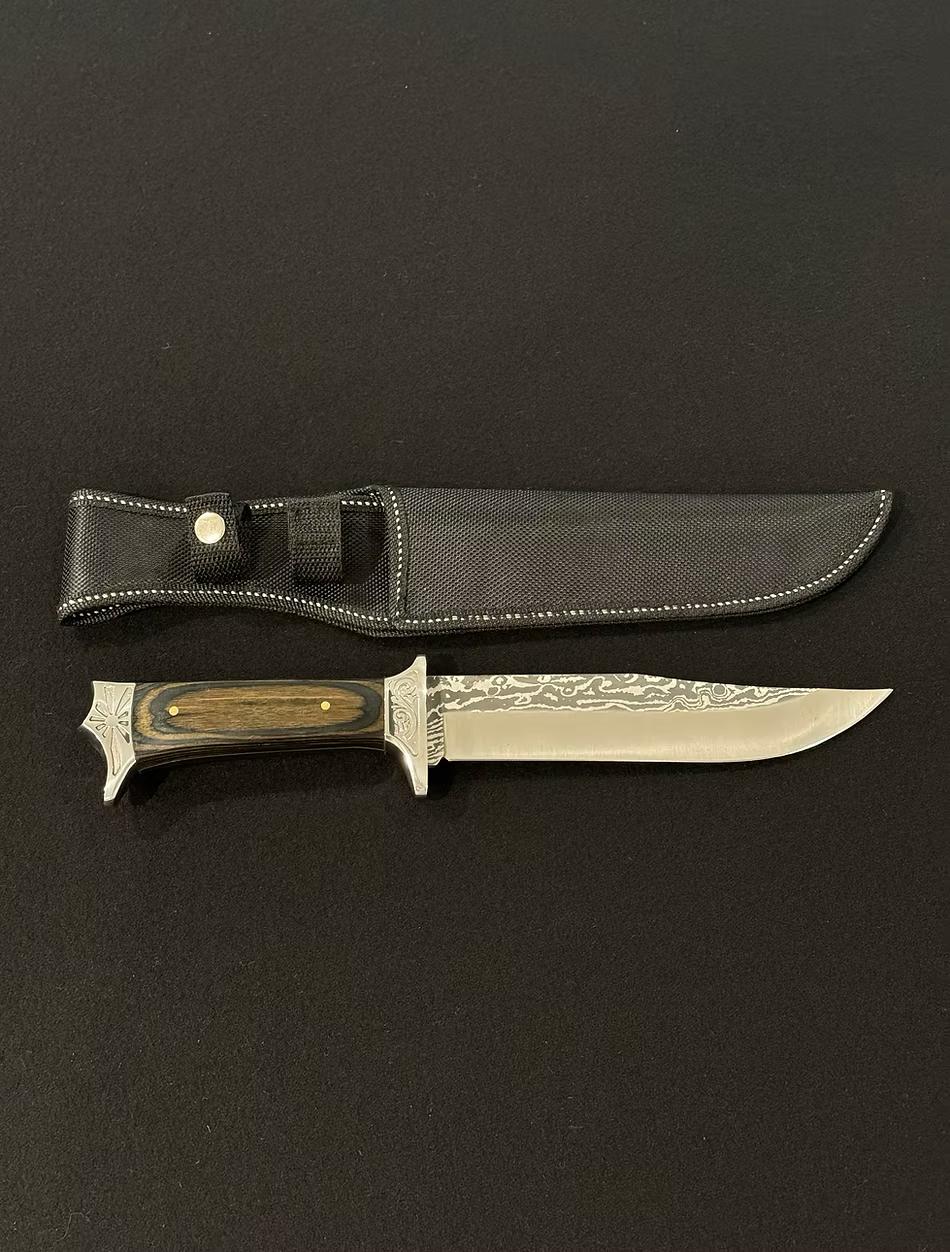
Beyond the frontier, the Bowie knife entered American popular culture. Its legendary status was amplified through newspapers, dime novels, and later, films and television. Illustrations and stories depicted Bowie knives as symbols of courage, independence, and rugged skill. Collectors began seeking authentic examples, and blacksmiths competed to craft knives that balanced function with artistic detail.
Today, the Bowie knife continues to inspire modern designs, with manufacturers producing replicas, limited editions, and custom pieces for collectors and enthusiasts. Its cultural significance extends beyond the United States, influencing knife-making traditions worldwide and becoming a symbol of pioneering spirit and resilience.
Modern Craftsmanship and Collectibility
The Bowie knife remains highly prized among collectors for its combination of history, design, and craftsmanship. Modern artisans often enhance traditional designs with materials and techniques unavailable in the 19th century. Handles may feature exotic woods, bone, or custom synthetic materials, while blades may incorporate high-performance steel or decorative etching. Some collectors even commission custom Bowie knives, making each piece a unique reflection of personal taste and historical appreciation.
Collectible Bowie knives are often judged by their blade quality, handle craftsmanship, historical provenance, and decorative elements. Limited editions or pieces linked to historical figures can command premium prices, reflecting both their aesthetic and investment value. Owning a Bowie knife is as much about appreciating artistry and history as it is about utility or personal defense.
Practical Use and Care
While the Bowie knife has legendary status, it is still a functional tool. Modern owners often use their knives for outdoor activities such as hunting, camping, and survival tasks. Proper care ensures that these blades remain durable and visually appealing for years. Regular cleaning, sharpening, and safe storage (ideally in a protective sheath or display case) preserve both functionality and collectible value.
For collectors, display is equally important. Custom display cases protect the blade while showcasing its design, handle details, and historical significance. Lighting, positioning, and protective materials all contribute to a presentation that honors both the knife and its storied past.
The Bowie Knife’s Enduring Legacy
The Bowie knife endures because it is more than a weapon; it is a symbol. It represents the ingenuity and courage of frontier life, the artistry of skilled craftsmen, and the personal connection between an owner and their tool. Its design has stood the test of time, inspiring generations of knife-makers and collectors, and its cultural footprint continues to grow.
From the rugged landscapes of 19th-century America to the curated collections of today, the Bowie knife remains a testament to functionality, craftsmanship, and legacy. Whether appreciated as a historical artifact, a practical tool, or a decorative piece, it continues to capture imaginations and admiration worldwide.
Experience the Bowie Tradition With Us
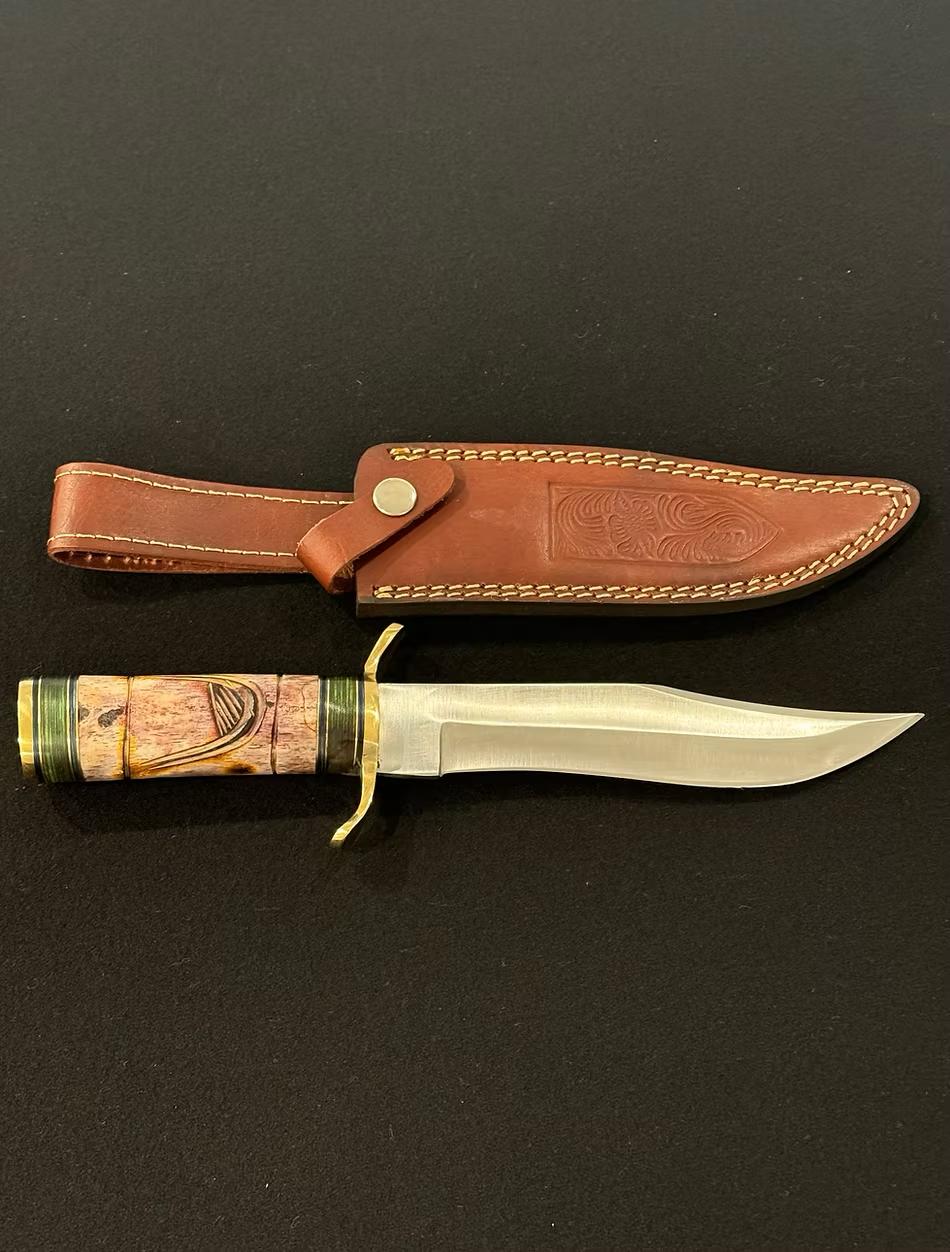
At Gun Décor Emporium, we celebrate the timeless appeal of legendary blades like the Bowie knife. We offer collectors and enthusiasts the opportunity to explore carefully curated pieces that honor both historical accuracy and modern craftsmanship.
Our team guides clients through selecting or customizing knives that reflect personal taste, functional needs, and aesthetic preferences. By combining expert artistry with attention to detail, we ensure that each Bowie knife we provide is not only a tool but also a collectible masterpiece worthy of display and admiration.
Discover the legacy of the Bowie knife with us. Explore our collection and find a piece that connects history, artistry, and functionality in a way only a true collector’s item can.
We also offer gun display cases, cowboy belt buckles, pocket knives, revolver customization service, and various gun décor.